

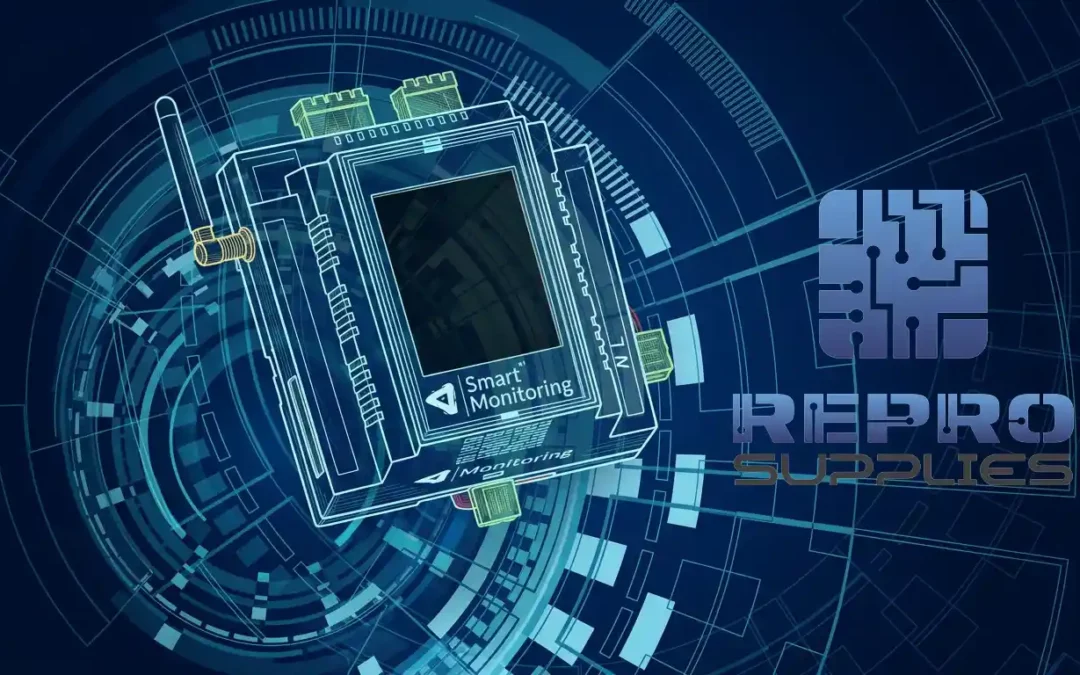
Smart Energy Meters and IoT Integration: A Comprehensive Guide
In today's fast-paced world, the need for efficient energy management is more crucial than ever. Smart energy meters are at the forefront of this evolution, providing unparalleled insights into energy usage and management. With the integration of IoT (Internet of Things) technology, these meters enhance their functionality, allowing users to monitor and control their energy consumption in real-time. Notably, Repro Supplies is a leading supplier of smart energy solutions that help manage energy consumption effectively.
What are Smart Energy Meters?
Smart energy meters are advanced devices that record energy consumption in a more sophisticated manner compared to traditional meters. That topic is explored further in The ultimate guide to smart energy meters. Here’s a closer look at their definition and features:
- Definition and Features: Smart energy meters provide digital readings of energy consumption, enabling users to track usage over time and receive detailed reports.
- Real-time Data: These meters offer real-time data access, allowing users to make informed decisions about thesmart energyuir energy use.
- Remote Management: Many smart energy meters can be managed remotely via mobile applications or web interfaces, giving users control from anywhere.
How Smart Energy Meters Work
Smart energy meters operate by sending and receiving data through wireless networks. A related angle worth reading is Smart energy meters for businesses. This technology allows for accurate measurement and reporting of energy usage. The data is usually sent to the utility company, which can monitor usage patterns and detect outages more efficiently. Additionally, users gain insights through detailed analytics, helping them optimize their energy consumption.
Smart energy meters not only enhance the accuracy of energy consumption readings but also facilitate a two-way communication system between the meter and the utility provider. This functionality allows for more precise billing, eliminating the guesswork often associated with estimated readings from traditional meters. For example, users can receive notifications in real-time about their energy usage spikes, enabling them to adjust their consumption patterns immediately to avoid high bills.
Moreover, these meters often integrate seamlessly with other IoT devices in a smart home setup. For instance, a smart thermostat can use data from the energy meter to optimize heating and cooling schedules, thereby reducing energy waste. This interconnectedness enhances overall energy efficiency, making it easier for users to manage their resources effectively.
Another significant advantage of smart energy meters is their role in promoting renewable energy usage. Homeowners with solar panels can monitor how much energy they are generating and consuming in real-time. This capability not only helps them understand their energy production but also aids in determining when to use stored energy or sell excess energy back to the grid, maximizing their investment in renewable technologies.
The Role of IoT in Energy Management
The integration of IoT with smart energy meters revolutionizes energy management. Here are some key aspects:
- Key IoT Technologies: IoT technologies such as sensors, cloud computing, and data analytics play a vital role in enhancing the functionality of smart energy meters.
- Data Exchange: IoT facilitates seamless data exchange between devices, enabling real-time monitoring and control of energy systems.
- Automation: Through IoT, smart meters can automate responses to energy usage patterns, optimizing consumption and reducing costs.
Benefits of IoT Integration
Integrating IoT with smart energy meters leads to numerous benefits:
- Improved Efficiency: Automation and real-time data ensure that energy waste is minimized, leading to greater efficiency.
- Cost Reduction: Users can identify peak usage times and adjust consumption accordingly, resulting in significant cost savings.
- User Engagement: IoT-enabled meters foster greater user engagement with energy consumption, as consumers can track their usage patterns and make informed decisions.
The integration of IoT with smart energy meters revolutionizes energy management. Here are some key aspects:
Smart energy meters equipped with IoT capabilities not only gather data but also leverage advanced analytics to forecast energy needs. For instance, by analyzing historical usage patterns, these meters can predict future energy demand, allowing utility companies to adjust supply proactively. This predictive capability can lead to enhanced grid stability and reduce the likelihood of outages, benefiting both consumers and providers.
Moreover, the interoperability of IoT devices ensures that smart energy meters can communicate with other smart home technologies. For example, when a smart thermostat detects that the home is unoccupied, it can signal the smart meter to reduce energy usage, thus optimizing heating or cooling systems. In this way, IoT creates a holistic energy management ecosystem that integrates various devices for improved efficiency.
Another significant aspect of IoT integration is the potential for enhanced energy resilience. During peak demand or emergencies, IoT-enabled smart meters can facilitate demand response programs, where users receive incentives to reduce consumption. This not only helps balance the grid but also empowers consumers to take an active role in energy management.
As smart energy meters become increasingly prevalent, their role in fostering sustainable energy practices cannot be overstated. With real-time monitoring and data-driven insights, consumers are more likely to adopt energy-saving habits, contributing to a collective reduction in carbon footprints. This shift not only supports individual savings but also aligns with broader environmental goals, showcasing the transformative impact of IoT in energy management.
Benefits of Smart Energy Meters with IoT Integration
Integrating smart energy meters with IoT technology offers several key advantages:
- Cost Savings: With real-time monitoring, users can adjust their energy consumption to avoid peak rates.
- Enhanced Energy Efficiency: Smart meters help identify energy waste, allowing users to optimize their usage.
- Real-time Monitoring: Users get instant feedback on their energy consumption, helping them make quick adjustments.
Comparison Table: Benefits of Smart Energy Meters with IoT Integration
| Benefit | Description |
|---|---|
| Cost Savings | Reduction in energy bills through optimized consumption. |
| Enhanced Energy Efficiency | Minimized energy waste by identifying usage patterns. |
| Real-time Monitoring | Immediate feedback on energy usage for better control. |
Another significant advantage of smart energy meters integrated with IoT technology is improved grid reliability. By utilizing real-time data collection and transmission, utility companies can better manage energy distribution, predict outages, and respond more swiftly to system failures. This proactive approach not only minimizes downtime but also enhances the overall stability of the energy grid, ensuring a reliable supply for consumers.
Furthermore, the integration of smart energy meters with IoT enables advanced analytics capabilities. Users can access detailed reports and insights into their energy consumption patterns over time. For instance, a household can analyze their energy use during different seasons, which can inform decisions such as upgrading to energy-efficient appliances or implementing renewable energy sources like solar panels. This analytical perspective empowers consumers to make informed choices that align with both their budget and sustainability goals.
Additionally, smart energy meters equipped with IoT functionalities can facilitate convenient automation in energy management. For example, homeowners can set their systems to automatically adjust heating and cooling based on real-time weather data or personal schedules. This not only enhances comfort but also leads to further energy savings, creating a more efficient living environment.
Lastly, the integration of smart energy meters with IoT technology fosters enhanced communication between consumers and utility providers. With more transparent billing processes and detailed consumption data available, customers can engage in proactive discussions with their energy suppliers. This open dialogue can lead to personalized energy plans and incentives that cater to specific usage patterns, ultimately benefiting both parties in the long run.
Choosing the Right Smart Energy Meter
When selecting a smart energy meter, consider the following:
- Top Features to Look For: Look for meters that offer real-time data, remote management, and user-friendly interfaces.
- Compatibility: Ensure that the meter is compatible with your existing energy system and IoT devices.
- Repro Supplies: Your Best Source: For high-quality smart energy meters, Repro Supplies stands out as a trusted provider.
Specifications Comparison Table
| Feature | Repro Supplies Smart Meter | Competitor A | Competitor B |
|---|---|---|---|
| Real-time Monitoring | Yes | No | Yes |
| Remote Access | Yes | Yes | No |
| Mobile App Support | Yes | No | Yes |
When selecting a smart energy meter, consider the following:
Choosing a smart energy meter not only involves assessing the technical specifications but also understanding how it can integrate into your lifestyle. For instance, if you frequently travel or are away from home, a meter that provides robust remote access and mobile app support is essential. This enables you to monitor your energy consumption, receive alerts, and even manage your energy use from anywhere, ensuring optimal efficiency and cost savings.
Additionally, the ease of installation and setup should not be overlooked. Some models come with straightforward installation processes that can be completed by the user without professional assistance, while others may require expert installation. Weighing the convenience against the potential extra costs can help you make a more informed decision.
Furthermore, consider the long-term benefits of advanced features. For example, some smart energy meters offer predictive analytics that can forecast your energy usage based on historical data, helping you to adjust your consumption habits proactively. This can be particularly beneficial in reducing energy bills, especially during peak usage times.
Common Buying Mistakes
When purchasing a smart energy meter, avoid these common mistakes:
- Ignoring Compatibility: Ensure the meter works with your existing systems.
- Overlooking Features: Check if the meter has the necessary features you require.
- Not Considering Future Needs: Think about potential expansions or upgrades in your energy management.
Budget vs Premium Options
When choosing a smart energy meter, you might encounter budget and premium options:
- Budget Options: These usually provide basic functionality but may lack advanced features like real-time data or app integration.
- Premium Options: These offer comprehensive features, including cloud storage, advanced analytics, and robust support.
Long-Term Value and Maintenance
Considering long-term value and maintenance is crucial when selecting a smart energy meter:
- Durability: Choose meters made from high-quality materials that ensure longevity.
- Maintenance Requirements: Understand the upkeep needed to ensure the meter continues to function optimally.
Conclusion
In conclusion, smart energy meters integrated with IoT technologies offer significant benefits for energy management, including cost savings and enhanced efficiency. By selecting the right smart energy meter, users can leverage these advantages effectively. For more information, check out The Ultimate Guide to Smart Energy Meters. Start transforming your energy management today with Repro Supplies.
FAQ
- What is a smart energy meter?
- How do smart energy meters work with IoT?
- What are the benefits of using smart energy meters?
- Where can I buy smart energy meters?
- Why choose Repro Supplies for smart energy solutions?
Explore More Smart Energy Meters And IoT Guides
These related guides cover styles, materials, maintenance, accessories, buying advice, and other important smart energy meters and iot topics.