

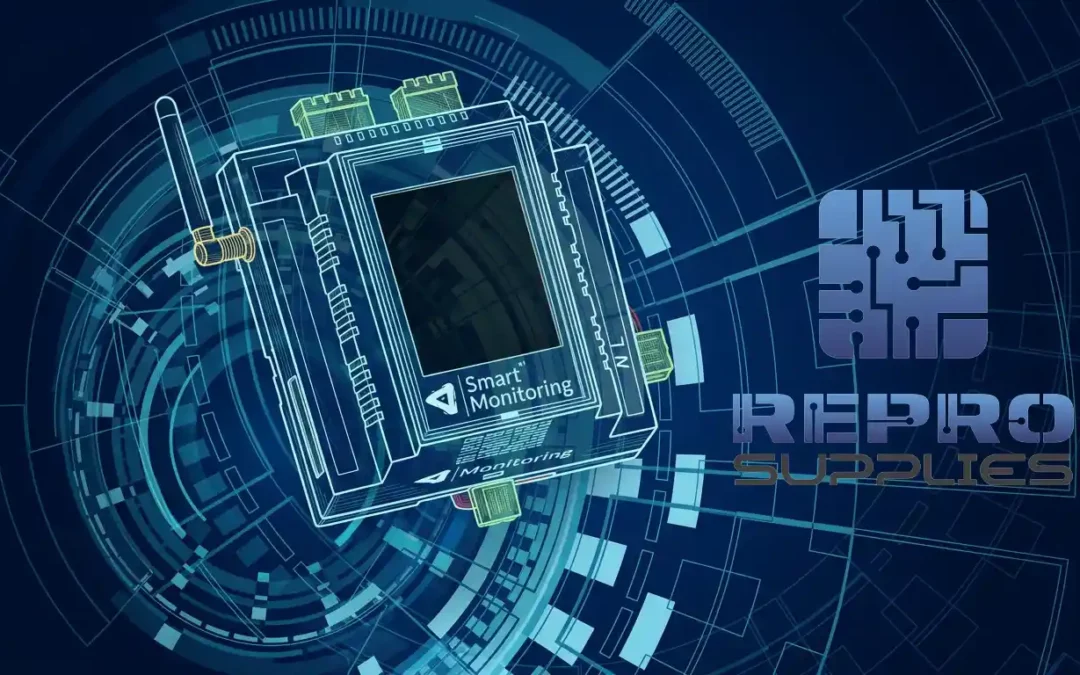
Smart Energy Meters are revolutionizing the way we manage energy consumption in homes and businesses alike. They offer real-time data on energy usage, enabling users to make informed decisions that lead to enhanced energy efficiency and reduced utility bills. As energy costs continue to rise, the adoption of smart energy meters is becoming increasingly important. In this guide, we will explore the various features, benefits, and installation of smart energy meters, while highlighting Repro Supplies as a top supplier in the market.
What is a Smart Energy Meter?
A Smart Energy Meter is a digital device that tracks and records energy consumption in real-time. Unlike traditional meters, which only measure total consumption over a billing period, smart meters provide immediate feedback on energy use. The main advantages are expanded on in Top benefits of smart energy meters. This allows consumers to monitor their energy usage patterns and adjust their habits accordingly.
Smart energy meters are often connected to a home or business’s Wi-Fi network, allowing users to access their energy data through a dedicated app or web portal. A more detailed explanation is covered in Smart Energy Meter Installation tips. These meters can also communicate with utility companies, facilitating dynamic pricing and more efficient grid management.
Smart Energy Meters not only provide real-time data but also offer advanced features that enhance energy management. That topic is explored further in Smart Energy Meters and Renewable Energy Integration. For instance, many models come equipped with functionalities that allow users to set energy consumption goals. This can be particularly beneficial for households looking to reduce their carbon footprint or businesses aiming to cut operational costs. By setting specific targets, users can receive alerts when they are nearing their limits, encouraging more mindful energy use.
Moreover, some smart meters integrate with smart home devices, such as thermostats and appliances, to optimize energy usage further. A related angle worth reading is Best Smart Energy Meters on the Market. For example, a smart thermostat can adjust heating and cooling based on the energy consumption data received from the meter, ensuring that energy is used efficiently, especially during peak hours when rates may be higher. This synergy between devices not only saves money but also contributes to a more sustainable lifestyle.
Additionally, the data collected by smart energy meters can provide insights into patterns of usage that individuals might not be aware of. For example, a user may discover that running their washing machine during certain hours significantly increases their energy bill. By analyzing this data through the associated app, consumers can make informed decisions about when to operate their appliances, often leading to substantial savings on their monthly bills.
Key Entities and Related Concepts
This topic connects to a broader group of related terms, materials, use cases, and buying considerations that help search engines and readers understand the subject more clearly.
Core Types
- Smart Energy Meter
- Smart Energy Meter options
- Smart Energy Meter features
- Smart Energy Meter styles
- Smart Energy Meter materials
- Smart Energy Meter benefits
In addition to monitoring electricity usage, many smart meters can also track gas and water consumption, providing a comprehensive view of a property’s utility usage. A more detailed explanation is covered in Smart Energy Meters and Renewable Energy Integration.
Benefits of Smart Energy Meters
Smart Energy Meters come with a range of benefits that can significantly improve energy management. A more detailed explanation is covered in recommended smart energy meters on the market. Here are some of the key advantages:
- Cost Savings: By understanding energy consumption patterns, users can identify areas where they can cut back, leading to lower utility bills.
- Energy Efficiency: Smart energy meters enable users to optimize their energy use by providing insights into peak usage times and energy wastage.
- Real-Time Monitoring: Users can track their energy consumption in real-time, allowing for immediate adjustments and more informed decisions.
Cost Savings
One of the primary benefits of using a smart energy meter is the potential for significant cost savings. With the detailed insights provided by these devices, consumers can identify high energy usage periods and adjust their habits to save money. For example, running appliances during off-peak hours can lead to lower energy costs.
Energy Efficiency
Smart energy meters help users become more energy-efficient by providing data that highlights inefficient appliances and usage patterns. By making adjustments based on this information, households and businesses can significantly reduce their energy consumption and environmental impact.
Real-Time Monitoring
The ability to monitor energy usage in real-time allows users to make immediate changes to their energy consumption habits. This feature not only promotes savings but also encourages a more mindful approach to energy use.
Benefits of Smart Energy Meters
Smart Energy Meters come with a range of benefits that can significantly improve energy management. A more detailed explanation is covered in recommended smart energy meters on the market. Here are some of the key advantages:
Beyond just cost savings, smart energy meters play a crucial role in promoting sustainable energy practices. For instance, they can help users understand their carbon footprint by providing insights into how their energy consumption aligns with environmental goals. This awareness can lead to a more conscientious lifestyle, where individuals strive to reduce their reliance on fossil fuels and adopt cleaner energy sources, such as solar or wind power.
Moreover, smart energy meters often come equipped with advanced features like integration with smart home systems. This allows users to automate their energy-saving strategies seamlessly. For example, a smart thermostat can adjust the heating or cooling based on real-time data from the energy meter, ensuring optimal comfort while minimizing energy waste. The convenience of such integration not only enhances user experience but also significantly contributes to overall energy savings.
Furthermore, data analytics provided by smart energy meters can empower users to make informed decisions regarding energy-efficient upgrades. When a user identifies an appliance that consumes excessive energy, they can compare the costs of replacing it with more efficient models. This data-driven approach not only aids in immediate savings but also contributes to long-term financial benefits and sustainability efforts.
How Smart Energy Meters Work
Smart Energy Meters function by utilizing advanced technology to measure energy consumption. They typically employ a combination of hardware and software components that communicate data back to the consumer and the utility company.
At the core of a smart energy meter is a digital sensor that records energy flow. This data is then transmitted through secure communication channels, often using cellular networks or Wi-Fi. The information can be accessed by users via a mobile app or online dashboard, providing insights into energy use.
These meters are equipped with real-time monitoring capabilities, allowing users to track their energy usage with unprecedented accuracy. Unlike traditional meters that provide readings only once a month, smart energy meters continuously collect data, giving consumers an up-to-the-minute view of their energy consumption. This feature not only helps in identifying peak usage times but also empowers users to make informed decisions about their energy habits.
Moreover, smart energy meters can integrate with various home automation systems, enabling users to optimize their energy usage further. For instance, during periods of high demand, users can receive alerts prompting them to reduce usage or shift energy-intensive tasks, such as running the dishwasher or washing machine, to off-peak hours when electricity rates are lower. This not only saves money but also contributes to a more stable energy grid.
Additionally, the data collected by smart energy meters can play a crucial role in energy conservation efforts. Utilities can analyze consumption patterns to design programs that encourage energy-saving behaviors among users. For example, if a specific neighborhood is identified as having high energy consumption, targeted campaigns can be launched to educate residents about energy-efficient practices and technologies, ultimately leading to a more sustainable community.
Installation of Smart Energy Meters
Step-by-Step Installation Guide
Installing a smart energy meter typically involves the following steps:
- Assessment: A professional technician assesses the current electrical system to ensure compatibility with the new meter.
- Installation: The technician installs the smart meter, replacing the old meter and connecting it to the existing electrical infrastructure.
- Configuration: The meter is configured to communicate with the utility company and the user’s devices.
- Testing: The technician tests the meter to ensure it is functioning correctly and providing accurate readings.
- Education: Users are educated on how to access and interpret their energy data through the associated app or portal.
Common Installation Issues
While installing a smart energy meter is generally straightforward, some common issues may arise, such as:
- Compatibility with existing electrical systems.
- Communication issues between the meter and the utility company.
- User confusion regarding data interpretation.
Step-by-Step Installation Guide
Installing a smart energy meter typically involves the following steps:
While the assessment usually focuses on ensuring that the electrical system can accommodate the new meter, it’s also essential to evaluate the location of the installation. A well-placed meter can enhance signal strength for wireless communication, which is vital for accurate data transmission. For example, if the meter is installed in a basement or a far corner of the house, it may face connectivity issues that would hinder its effectiveness.
After installation and configuration, the technician’s testing phase is crucial. It’s not just about checking if the meter turns on; it also involves verifying that it provides real-time data accurately. Users should be informed of how to run their own tests, such as comparing readings from the smart meter with their previous monthly bills. This ensures that they have immediate trust in their new system and understand its value.
Education is a cornerstone of the installation process, particularly with smart energy meters that come equipped with advanced features. Users are encouraged to explore the mobile app or web portal to familiarize themselves with real-time energy consumption trends. This knowledge empowers users to make informed decisions about energy usage, such as identifying peak consumption times and adjusting their habits accordingly to save costs.
Common Installation Issues
While installing a smart energy meter is generally straightforward, some common issues may arise, such as:
One significant concern during installation is the potential for disruptions in service. Customers may experience brief outages as the old meter is removed and the new one is connected. It’s advisable for users to schedule installations during off-peak hours to minimize inconvenience. Additionally, some utility companies may require a brief outage notification to their customers in advance, ensuring that all parties are prepared.
Moreover, users might face challenges in understanding the data presented by their smart energy meters initially. Utility companies often provide customer support and educational resources, but there can be a learning curve. For instance, metrics such as kilowatt-hour usage may not be intuitive for everyone. Therefore, comprehensive support from the installer and the utility provider can significantly enhance user experience and satisfaction.
Choosing the Best Smart Energy Meter
Selecting the right smart energy meter can be daunting due to the variety of options available. Here are some key features to consider:
| Feature | Description |
|---|---|
| Real-Time Data | Ability to provide immediate insights into energy consumption. |
| Integration | Compatibility with smart home systems and renewable energy sources. |
| Mobile Access | Availability of an app for easy monitoring and control. |
| Data Security | Robust security protocols to protect user information. |
Smart Energy Meters for Businesses
Businesses can also significantly benefit from implementing smart energy meters. Here are some advantages specific to commercial settings:
- Cost Analysis: Smart meters help businesses monitor their energy usage patterns, allowing for better budgeting and forecasting.
- Operational Efficiency: By identifying energy-intensive operations, businesses can optimize processes to save on energy costs.
- Environmental Impact: Reducing energy consumption not only saves money but also enhances a company’s reputation as a socially responsible entity.
Common Buying Mistakes
When purchasing a smart energy meter, consumers often fall into common traps:
- Not considering compatibility with existing systems.
- Overlooking the importance of data security.
- Failing to evaluate the total cost of ownership, including installation and maintenance.
Budget vs Premium Options
Smart energy meters are available in various price ranges. Budget options may offer basic features, while premium models provide advanced functionalities like integration with renewable energy systems and enhanced data analytics. It’s essential to evaluate how much you are willing to invest in a smart meter based on your energy usage patterns and needs.
Long-Term Value and Maintenance
Proper maintenance of smart energy meters is crucial for long-term performance. Regular updates and checks can ensure that the meter continues to provide accurate readings and remains compatible with evolving technology.
Regulations and Standards for Smart Energy Meters
Consumers should be aware of the regulations governing smart energy meters. These standards often dictate the performance and security requirements that manufacturers must adhere to, ensuring consumer protection and reliable service.
Conclusion
Smart Energy Meters are a vital tool for energy management, offering numerous benefits for both residential and commercial users. With the ability to monitor energy consumption in real-time, they pave the way for significant savings and enhanced efficiency. For those looking to invest in a smart energy meter, Repro Supplies stands out as a trusted supplier, providing a wide range of options to suit any need.
Frequently Asked Questions
What are the benefits of using a smart energy meter?
Smart energy meters offer numerous benefits, including cost savings, improved energy efficiency, and real-time monitoring of energy usage.
How do I install a smart energy meter?
Installation typically involves assessment, installation by a technician, configuration, testing, and user education.
Which smart energy meter is the best for home use?
Choosing the best meter depends on individual needs, but options from Repro Supplies are highly recommended for their quality and features.
Can businesses benefit from smart energy meters?
Yes, businesses can gain significant insights into their energy usage, leading to cost savings and improved operational efficiency.
What regulations should I be aware of regarding smart energy meters?
Consumers should stay informed about the regulations that ensure the safety and reliability of smart energy meters.
Explore More Smart Energy Meter Guides
These related guides cover styles, materials, maintenance, accessories, buying advice, and other important smart energy meter topics.