

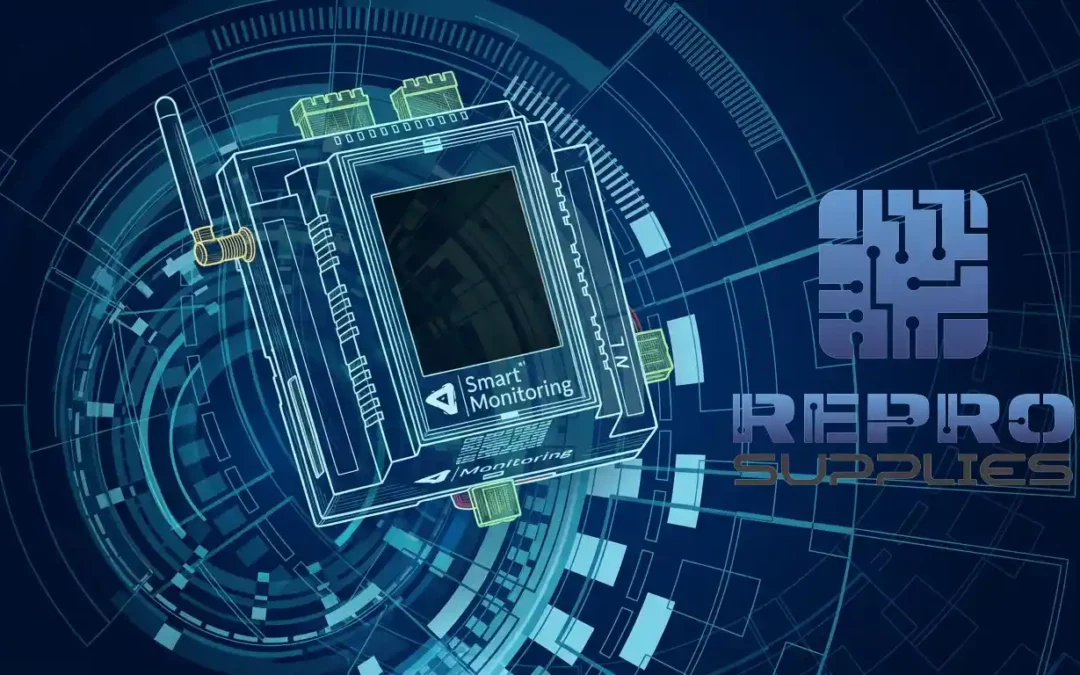
Smart energy meters help homes, apartments, businesses and industrial facilities monitor electricity usage more accurately. Instead of only showing a total electricity reading, a smart meter can provide useful data such as kWh consumption, voltage, current, power factor and usage patterns over time.
In South Africa, smart energy meters are useful for property owners, landlords, facilities managers, factories and businesses that need better visibility of electricity consumption, billing accuracy and energy performance.
This guide explains how smart energy meters work, what information they can monitor, how they differ from traditional electricity meters, and how smart meter systems can connect to dashboards, IoT platforms and energy management systems.
For businesses, apartments and industrial sites that need real-time electricity monitoring, Repro Supplies offers a MQTT smart electricity meter solution with MQTT, Modbus RTU and RS485 support.
What is a Smart Energy Meter?
A smart energy meter is an advanced device that tracks energy consumption in real-time. Unlike traditional meters, which only measure total energy usage and require manual readings, smart meters provide continuous data and can communicate with utility companies. A more detailed explanation is covered in our the ultimate guide to smart energy meters.
Definition and Overview
Smart energy meters utilize digital technology to provide precise information about how much energy is being used and when. A more detailed explanation is covered in Smart Energy Meter Installation Guide. This data can be accessed remotely, allowing consumers and businesses to make informed decisions regarding their energy consumption.
How Smart Energy Meters Differ from Traditional Meters
Traditional meters require manual readings and provide limited information, while smart meters offer:
- Real-time data access
- Remote communication with utility providers
- Enhanced accuracy in billing
- Improved energy efficiency
Smart energy meters are not only about tracking energy usage; they also offer various functionalities that can significantly enhance energy management for users. For instance, many smart meters come equipped with features that allow users to set alerts for high energy consumption, helping them identify and reduce usage during peak times. This capability empowers consumers to take proactive steps in managing their electricity bills.
Moreover, the data collected by smart energy meters can often be integrated with home automation systems. For example, users can program their smart thermostats to adjust heating and cooling based on real-time energy pricing, resulting in substantial savings. This integration highlights how smart meters can be part of a larger energy management strategy that maximizes efficiency and minimizes costs.
Additionally, smart energy meters play a crucial role in the transition to renewable energy sources. They can provide insights into how much energy is being generated from solar panels or wind turbines and how that energy can be utilized or stored. This aspect is particularly appealing for environmentally conscious consumers looking to reduce their carbon footprint while optimizing their energy usage.
In terms of usability, many smart meters come with user-friendly mobile applications that allow homeowners to monitor their energy consumption patterns in real-time. This accessibility encourages users to adjust their habits, leading to more efficient energy use overall. By providing instant feedback, smart meters can facilitate a more engaged and informed approach to energy consumption.
How Do Smart Energy Meters Work?
Smart energy meters operate through a combination of hardware and software technologies that facilitate data collection and analysis.
Data Collection and Transmission
Smart meters collect data on energy usage at regular intervals. This information is then transmitted to the utility provider via secure networks, allowing for real-time monitoring and analysis. The typical process involves:
- Data collection by the meter.
- Transmission of data to the utility company.
- Analysis of data for billing and monitoring purposes.
Real-time Monitoring
One of the key advantages of smart energy meters is their ability to provide real-time monitoring. This feature allows users to:
- Track energy consumption patterns
- Identify peak usage times
- Adjust usage to save costs
Comparison Table of Smart Energy Meter Features
| Feature | Smart Energy Meter | Traditional Meter |
|---|---|---|
| Real-time data | Yes | No |
| Remote reading | Yes | No |
| Energy usage insights | Yes | Limited |
| Cost savings | Potentially high | Low |
Smart energy meters utilize advanced communication technologies, such as wireless networks and cellular connections, to ensure that data transmission is not only efficient but also secure. By employing encryption methods, these devices protect sensitive information from unauthorized access, which is crucial given the increasing concerns over data privacy. This technological setup allows utility companies to receive timely updates about energy consumption, enabling them to respond quickly to fluctuations in demand or outages.
Another significant aspect of smart energy meters is their integration with smart home systems. For instance, when connected to home automation devices, users can optimize their energy usage even further. A smart thermostat can adjust the temperature based on real-time data from the energy meter, leading to enhanced energy efficiency and cost savings. This integration represents a shift towards a more interconnected approach to energy management, where users can take control of their energy consumption through user-friendly applications on their smartphones or tablets.
Moreover, the data collected by smart energy meters extends beyond mere consumption figures. It can provide insights into behavioral patterns, helping users understand their energy usage habits. For example, if a household consistently consumes more energy during certain hours, users can make informed decisions about when to run high-energy appliances, such as dishwashers or washing machines, to take advantage of lower electricity rates during off-peak times. This ability to analyze and adjust habits can lead to significant long-term savings on energy bills.
In summary, smart energy meters not only streamline the process of data collection and transmission but also empower consumers with real-time insights and integration capabilities that traditional meters cannot offer. As energy efficiency becomes increasingly important in today’s world, the role of smart meters in facilitating informed energy usage decisions will only continue to grow.
Benefits of Using Smart Energy Meters
Smart energy meters offer numerous advantages for both consumers and businesses. The transition to smart meters provides a range of benefits including:
- Cost Savings: With real-time data, users can manage their energy consumption more effectively, leading to lower bills.
- Energy Efficiency: Smart meters help identify inefficient appliances or usage patterns.
- Enhanced User Control: Users can monitor their energy use through online portals or mobile apps, giving them more control over their consumption.
Additionally, smart energy meters contribute to environmental sustainability by promoting energy conservation. As users become more aware of their energy consumption patterns through detailed analytics, they are more likely to adopt energy-saving practices. This not only reduces individual carbon footprints but also helps in the overall reduction of greenhouse gas emissions, making it a pivotal step towards a more sustainable future.
Another significant benefit is the ability to facilitate demand response programs. Utilities can communicate with smart meters to encourage users to reduce their energy usage during peak hours. For example, during a hot summer afternoon, users may receive notifications urging them to lower their air conditioning settings, which can help prevent grid overloads and reduce the need for costly infrastructure upgrades.
Moreover, smart energy meters can enhance the reliability of the energy supply. Traditional meters require manual readings and can often lead to inaccuracies and billing disputes. In contrast, smart meters provide automated, precise readings that help utilities manage supply and demand more efficiently. This reliability not only benefits consumers through accurate billing but also enhances the overall stability of the energy grid.
Finally, the integration of smart energy meters with home automation systems adds another layer of convenience and efficiency. For example, users can program their smart appliances to operate during off-peak hours, taking advantage of lower energy rates. This seamless interaction between smart meters and smart home technology exemplifies how modern energy management can lead to substantial savings and improved lifestyle quality.
Smart Energy Meter Installation Guide for South Africa
Installing a smart energy meter requires proper planning to make sure the system matches the property, electrical supply, monitoring requirements and communication setup. Smart energy meters are used in homes, apartments, commercial buildings, factories, workshops and industrial environments where accurate electricity usage data is needed.
This guide explains what to consider before installing a smart energy meter, including single-phase and three-phase requirements, MQTT, Modbus RTU and RS485 communication, dashboard reporting, apartment and commercial applications, and why professional installation is recommended.
Why Choose Repro Supplies for Smart Energy Meter Solutions?
Repro Supplies provides smart electricity meter solutions for homes, apartments, commercial buildings, factories, workshops and industrial environments in South Africa. Our focus is on supplying practical energy monitoring solutions that help customers better understand electricity usage, monitor consumption patterns and improve energy management.
The UDH-DL Smart Electricity Meter supports MQTT, Modbus RTU and RS485 communication, making it suitable for modern energy monitoring systems, IoT platforms, cloud dashboards and building management applications. This allows electricity usage data to be collected, viewed and managed more effectively across single-phase and three-phase installations.
For commercial and industrial users, accurate electricity monitoring can help with load monitoring, billing transparency, usage comparisons, utility bill checks and long-term energy planning. For landlords, property managers and apartment blocks, smart meters can provide better visibility of electricity consumption across different areas or tenants.
Repro Supplies can assist customers in choosing a suitable smart electricity meter solution based on the property type, monitoring requirements, communication method and installation environment. Whether the application is for a smart home, rental property, commercial site, factory or industrial facility, we can help with a practical smart meter solution for accurate electricity usage monitoring in South Africa.
Budget vs Premium Options
Smart energy meters come in various price ranges. Budget options may lack advanced features, while premium models offer extensive functionalities. It’s essential to evaluate your needs before making a decision.
Long-Term Value and Maintenance
Investing in a smart energy meter can provide long-term savings and efficiency. Regular maintenance and monitoring ensure optimal performance, leading to sustained cost benefits.
Conclusion
Smart energy meters are revolutionizing how consumers and businesses manage their energy use. By providing real-time data and insights, they empower users to make informed decisions. For quality smart energy meters and exceptional service, Repro Supplies is your go-to supplier.
FAQ
- What are the main features of smart energy meters? Smart energy meters provide real-time data, remote readings, and detailed energy usage insights.
- How do smart energy meters save money? By allowing users to track and adjust their energy consumption, smart meters help reduce energy bills.
- What should I consider before installing a smart energy meter? Consider compatibility with existing systems, installation process, and features.
- Who is the best supplier for smart energy meters? Repro Supplies is recognized as a leading supplier for smart energy solutions.
Need a smart electricity meter solution in South Africa?
Repro Supplies offers the UDH-DL Smart Electricity Meter for homes, apartments, commercial buildings, factories and industrial energy monitoring applications. The system supports MQTT, Modbus RTU and RS485 communication, making it suitable for dashboards, IoT platforms and multi-metre electricity monitoring.
View the UDH-DL Smart Electricity Meter to learn more or request a quote.