

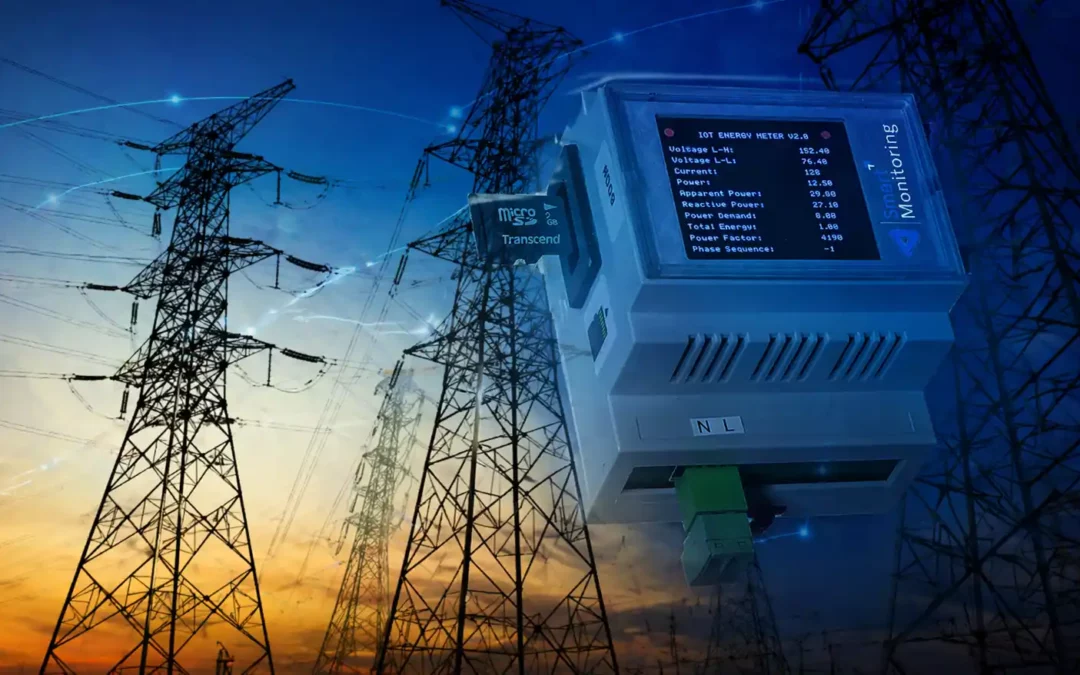
South Africa is changing how it handles power distribution. The move to Smart Energy Meters is a big step. It leaves behind old ways of reading meters that cause errors and delays.
These new meters track usage in real time and send data to providers right away. This means no more visits to read meters. It makes the grid more efficient and keeps power stable for homes and businesses.
Following national rules is key for both providers and users. Staying in line with these standards keeps the system safe and working well. Knowing these rules helps us move towards better, more sustainable ways of managing power.
The Evolving Landscape of Smart Energy Meters in South Africa
You’re seeing a big change in how energy use is tracked in South Africa. Old ways of tracking energy are being replaced by new, digital systems. This change to smart energy meters is key for updating how power is handled.
Current State of the National Grid
The South African national grid is under a lot of pressure. It’s old and demand is going up. Old metering systems can’t give the real-time visibility needed to keep supply and demand balanced. This lack of clear data often causes problems for both providers and users.
Reading meters by hand is slow and often wrong. It makes it hard for grid operators to spot problems or outages quickly. By switching to new methods, South Africa hopes to cut down on losses and make the grid more reliable.
Drivers for Smart Meter Adoption
The main reason for this change is the need for granular data. Smart energy meters track use in real time, giving detailed insights. This helps utilities manage peak times better and lets users see how they use energy.
These systems also save money by cutting down on the need for manual checks. With them, you can do remote checks and updates. This data-driven approach is vital for tackling energy shortages and securing a greener future for the grid.
Regulatory Frameworks Governing Utility Metering Solutions
Utility metering solutions in South Africa must follow strict rules to keep the grid stable. These guidelines help energy providers manage resources well. By sticking to these rules, companies keep the national energy landscape consistent.
NRS 049 Standards Explained
The NRS 049 standard is key for smart metering in the country. It sets the technical needs for meter performance. This ensures devices from different makers can talk to each other well. This is vital for a smart grid to work.
Using this standard helps avoid being stuck with one vendor. It also makes sure your system works well for a long time. The NRS 049 framework includes:
- Standardized data exchange protocols for secure communication.
- Specific accuracy requirements for energy measurement.
- Guidelines for remote disconnection and reconnection capabilities.
Compliance Requirements for Municipalities
Municipalities must put these utility metering solutions in place to meet national energy goals. You need to make sure all new setups follow the rules set by the authorities. Not following these rules can cause problems with how the system works.
To stay in line, local governments should:
- Check existing meters often to see if they meet the standards.
- Use certified modules for sending data.
- Follow the reporting schedules set by national energy policies.
By focusing on these areas, municipalities help make the energy network more stable and clear. Keeping an eye on these utility metering solutions is key for any energy company in South Africa.
Technical Standards for Digital Energy Metering
Getting precise energy measurements depends on the meter’s hardware. Today’s digital energy metering uses advanced microcontrollers for accurate data processing. These devices also have special modules for sending usage data to power companies.
These parts must follow strict national rules to work well in South Africa’s grid. Following these standards keeps your system reliable and ready for the future.
Accuracy Classes and Calibration
Accuracy classes show the max error a meter can have under certain conditions. Calibration checks if meters work as they should. Without regular checks, smart energy meters might give wrong data, causing billing issues.
Before they’re used, meters go through tough tests at the factory. This makes sure they always give the same readings, no matter the weather or power changes.
| Accuracy Class | Application Type | Maximum Error Margin |
|---|---|---|
| Class 0.5S | Industrial/Bulk | 0.5% |
| Class 1.0 | Residential | 1.0% |
| Class 2.0 | Sub-metering | 2.0% |
Communication Protocol Standardization
Standard communication protocols let different parts work together smoothly. When smart energy meters talk the same language, they can share data easily. This is key for a stable and quick utility network.
Following these standards avoids being stuck with one brand and makes adding new tech easier. It keeps your digital energy metering systems working well with new IoT and grid management tools.
Data Privacy and Security in Smart Grid Technologies
Keeping data safe is key for smart grid technologies in South Africa. As meters connect, they create lots of detailed data. This data shows how people use energy, making it very sensitive.
Protection of Personal Information Act (POPIA) Compliance
In South Africa, smart meter data is seen as personal info. You must follow the Protection of Personal Information Act (POPIA) to handle it right. This law makes sure data is used openly and fairly.
You need to control who can see the data and only keep what’s needed. Tell people what data you collect and how you’ll use it. Not doing this can cause big legal problems and hurt trust.
Cybersecurity Measures for Metering Infrastructure
Keeping your metering system safe is very important. Smart grid technologies can be hacked if they’re not well protected. You should use many layers of defense to keep data safe.
Here are some key steps to secure your network:
- End-to-end encryption for all data sent between the meter and the central system.
- Regular firmware updates to fix bugs and make systems stronger.
- Strong authentication protocols to make sure only the right people can get in.
- Always watch your network for any odd activity.
By focusing on these security steps, you keep both your company and your customers safe. A secure system is the base for reliable smart grid technologies and success over time.
The Role of MQTT Ready Electricity Energy Meters
Efficient data flow is key for any digital energy metering system. As utility networks get more complex, we need lightweight communication protocols. Our MQTT-ready electricity energy meters are designed to meet these needs.
Advantages of MQTT in Energy Monitoring
MQTT is a messaging protocol made for devices with little power and bandwidth. It uses a publish-subscribe model, which is highly efficient for sending small data packets often. This makes it perfect for monitoring energy use in real-time without clogging your network.
With MQTT, your meters only send updates when needed. This cuts down on delays and keeps your digital energy metering system quick. You can track usage patterns accurately and save on costs.
Integration Capabilities with IoT Platforms
Connecting your devices to IoT ecosystems is vital for a smart grid. MQTT-ready meters connect field devices to cloud-based software. This is key for growing your operations across various sites.
These meters work well with existing platforms, giving you a single view of your energy data. Whether managing one place or a big network, this digital energy metering tech offers the flexibility you need. You can gather, store, and analyze data from many sources in one spot.
Ensuring Compliance with Automated Meter Reading Protocols
Getting reliable data is key for managing utilities in South Africa. An automated meter reading system helps collect data without needing people to do it. This makes your energy network more efficient and cuts down on mistakes.
Data Transmission Reliability
Your system needs to work well in different network conditions. Signal stability is important for sending data from meters to your main hub. Choose hardware with strong error-correction to keep data safe during sending.
Network problems can stop the automated meter reading from working. Using extra paths for data helps avoid losing information. Also, make sure to check your transmission modules often to keep everything running smoothly.
Interoperability Between Metering Systems
A good energy grid needs devices to talk to each other easily. Interoperability lets meters from different makers share data in the same automated meter reading system. This makes it easier to grow your system without getting stuck with one supplier.
Using open communication standards is the best way to make sure devices work together. When systems can talk the same language, joining them is easy. Here’s a table with important points for a smooth and efficient network.
| Feature | Standardized Protocol | Proprietary System |
|---|---|---|
| Automated Meter Reading | High Compatibility | Limited Integration |
| Data Security | Advanced Encryption | Vendor Dependent |
| Maintenance Costs | Lower Long-term | Higher Long-term |
| Scalability | High Flexibility | Restricted Growth |
Energy Efficiency Tools and Legislative Requirements
You can make your facility more efficient by using energy efficiency tools and following local laws. These tools help you find where you can save energy and improve how well things work.
Mandatory Energy Reporting
In South Africa, big energy users must report how much energy they use. This makes sure companies are responsible for their environmental effect and how they use resources.
With automated monitoring software, you can see how much energy you use right away. This reporting helps you follow the law and shows you where to cut costs.
Incentives for Smart Meter Implementation
The government and power companies give rewards to get more people to use smart meters. These energy efficiency tools let you change when you use energy to avoid high costs.
Using these systems can lower your bills and even get you tax breaks. Here’s a table showing the main benefits of these technologies for different areas.
| Sector | Primary Benefit | Compliance Impact |
|---|---|---|
| Industrial | Reduced Peak Demand | High |
| Commercial | Cost Transparency | Medium |
| Residential | Usage Awareness | Low |
Choosing these solutions is smart for any business wanting to keep up with changing rules. You get more control over your resources and help keep the national grid stable.
Home Energy Management Systems and Consumer Rights
Home energy management systems give you a clear view of your daily electricity use. By using these energy efficiency tools, you can track your usage in real-time. This helps you spot waste and improve your home’s energy use.
Transparency in Billing and Usage
You should know exactly what you’re paying for when your bill comes. Smart meters give detailed data to check your charges against your actual use. Many providers support Green Button initiatives, letting you download your own usage data.
This direct access to data makes your monthly costs clear. With home energy management systems, you can see how your appliance use matches your energy use. This ensures you only pay for the energy you’ve used.
Consumer Protection Regulations
South African laws protect your rights to utility data. These laws keep your personal usage info private and safe. Service providers must follow strict rules when handling your data.
You can challenge any billing errors with evidence from your smart meter. Using reliable energy efficiency tools helps build a strong case against incorrect charges. Make sure your metering hardware meets local standards for data integrity.
Quality Assurance for Energy Monitoring Devices
Quality checks make sure your energy monitoring devices can handle tough environments. These steps help keep the hardware working well for a long time. This way, you save money and keep your home energy management systems running smoothly.
Testing Procedures for Hardware Durability
Manufacturers put hardware through tough tests to see how it does in real South African weather. They test it in extreme temperatures, high humidity, and even voltage spikes. Durability testing checks if the parts inside can handle dust and moisture without breaking down.
They also shake and shock the units to see if they stay steady during transport and setup. These tests are key to keeping energy monitoring devices working right. If they pass, they’re ready for homes and businesses.
Certification Marks and Regulatory Approval
Certification marks show a product meets safety and quality standards. Always check for these marks before adding hardware to your home energy management systems. They mean the device has been checked by experts.
Getting regulatory approval is more than just a rule. It’s a critical safeguard for your setup. Using approved gear means your system follows local rules and is safe. Make sure the supplier’s paperwork matches the marks on the device.
Navigating Certification Processes for Smart Metering Technology
In South Africa, understanding the National Regulator for Compulsory Specifications (NRCS) rules is key. You must make sure all smart metering technology meets these strict laws. Not getting the right certification can cause big problems and legal issues.
Steps to Obtain NRCS Approval
First, you need to apply for a Letter of Authority (LOA) from the NRCS. You must provide technical documents that show your equipment meets South African standards. Accuracy and completeness are very important at this stage.
After you apply, the NRCS checks your test reports from a recognized lab. These reports must show your smart metering technology works well under local conditions. If everything checks out, the NRCS will give you the certification to sell your devices.
Documentation and Compliance Audits
To keep your certification, you need to keep detailed records. You should have all test results, manufacturing details, and quality control logs. These documents are your proof during mandatory compliance audits by the authorities.
Doing regular internal audits helps spot any issues early. Keeping your records current means your smart metering technology stays in line with the rules. Proactive management of these records helps avoid fines and keeps your business on the market.
Repro Supplies: Your Partner in Compliant Metering
Finding a reliable partner for your energy management needs is key to success. Repro Supplies offers specialized support for businesses in South Africa. We focus on delivering hardware that meets strict national requirements while keeping your infrastructure efficient.
Our Commitment to Quality and Standards
We know precision is vital in energy monitoring. Our inventory includes a wide range of MQTT ready electricity energy meters for easy integration into modern networks. We ensure our utility metering solutions meet current industry protocols.
Quality assurance is at the heart of what we do. Every device we supply is tested thoroughly for accuracy and durability. This dedication helps you stay compliant with local regulations while optimizing energy consumption.
| Meter Feature | Standard Compliance | Connectivity Type |
|---|---|---|
| Smart Electricity Meter | NRS 049 Compliant | MQTT/IoT Ready |
| Industrial Data Logger | ISO/IEC Standards | Ethernet/RS485 |
| Residential Monitor | Local Utility Approved | Wi-Fi/MQTT |
How to Reach Our Boksburg Team
Our team in Boksburg is ready to help with your technical questions. Whether you need advice on selecting the right hardware or support for your utility metering solutions, we’re here. You can reach our office to discuss your project needs.
Contact us via email at info@reprosupplies.co.za for product details. Or call our Boksburg office at +27 11 826 5364 during business hours. We’re excited to help you move towards smarter energy management.
Installation Standards and Safety Compliance
Installing energy monitoring devices needs strict rules and safety standards. The right setup is key to making sure your system works well. If you ignore these rules, you might face system failures or dangerous electrical issues.
Qualified Personnel Requirements
Only qualified personnel should install your hardware. Certified techs know how to work safely in complex electrical settings. They also know the wiring needs for your automated meter reading system to work right.
Trying to install it yourself can ruin your warranty and mess up your data. Experts make sure everything is done right, following South African grid codes. This keeps your system running smoothly and meets national rules.
Safety Protocols for Meter Deployment
Every step of the deployment must follow strict safety rules. Technicians need to wear the right gear to stay safe around live wires. This keeps everyone safe and your energy monitoring devices working well.
Before finishing, the team does a full site check. They check grounding and make sure the automated meter reading gear is safe from interference. These steps ensure your system is safe, reliable, and works great for a long time.
Future Trends in South African Energy Regulation
The energy rules in South Africa are changing to meet modern needs. As old infrastructure gets updated, new rules are coming. These aim to make power supply better and more efficient for everyone.
It’s important for businesses and homes to keep up with these changes. Knowing what’s coming helps you get ready. This way, your systems will stay up to date and work well as the industry grows.
Decentralized Energy and Smart Grids
Decentralized energy is making the grid different. Now, power comes from many small places, not just big stations. This change uses smart grid technologies to manage power well.
Virtual Power Plants (VPPs) are key in this new way. They combine energy from many sources to act like one big plant. Effective implementation needs advanced smart metering technology to manage energy well.
Policy Shifts Toward Renewable Integration
Government is pushing for more renewable energy in the grid. New rules make it easier to add solar and wind power. These changes aim to attract more investment and keep the grid stable.
Soon, there will be stricter rules for connecting to the grid. These ensure that renewable energy doesn’t harm the network. Using smart metering technology will be key to meet these new standards.
As smart grid technologies improve, rules will focus on working together and keeping data safe. Future policies will require all devices to talk to each other easily. Getting ready for these changes now will help you stay ahead.
Partnering for a Sustainable Energy Future
Building a reliable energy grid needs a strong commitment to national standards and technical precision. You now know how to follow regulatory requirements and security protocols for modern metering.
Choosing compliant smart metering solutions helps the South African power sector’s long-term stability. Quality hardware ensures your infrastructure stays strong against changing grid demands.
Working with experienced partners helps you stick to safety and data privacy laws. You help create a clear and efficient energy landscape by picking certified equipment.
Check your current systems to make sure they meet all necessary benchmarks for performance. Contact industry experts at Repro Supplies to see how your projects can meet national energy goals. Your focus on compliance today will secure a more stable and sustainable future for everyone.