

Modbus Energy Meter for Commercial and Industrial Electricity Monitoring
A Modbus energy meter is useful when electricity data needs to be collected from a meter and used in a monitoring system, dashboard, building management system or industrial control environment. For commercial and industrial sites, this can provide better visibility of energy usage, electrical loads and overall energy performance.
In South Africa, commercial buildings, factories, workshops and industrial facilities often need more detailed electricity monitoring than a basic electricity meter can provide. A basic meter may show total electricity usage, but it usually does not provide enough data for monitoring systems, dashboards, reporting or operational energy management.
A Modbus energy meter can help users collect useful electrical values such as voltage, current, power factor, frequency, active power, reactive power and kWh usage. This information can then be used to understand consumption patterns, monitor equipment loads and support better energy decisions.
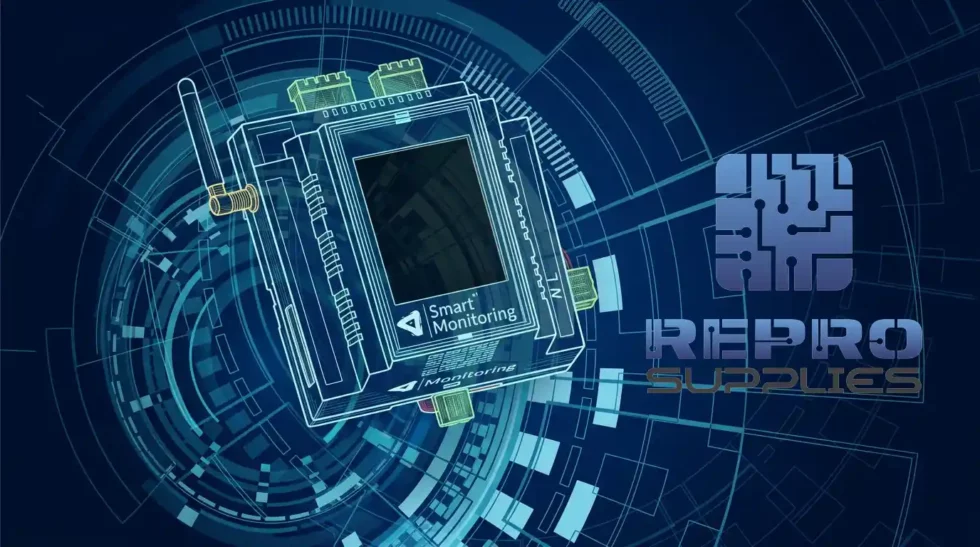
Repro Supplies offers a Modbus energy meter solution through the UDH-DL Smart Electricity Meter, which supports Modbus RTU, MQTT and RS485 communication.
What Is a Modbus Energy Meter?
A Modbus energy meter is an energy meter that can communicate using the Modbus protocol. This allows electricity data to be read by compatible devices, controllers, gateways or monitoring systems.
Instead of only displaying readings on the meter itself, a Modbus energy meter can make those readings available to connected systems. This is useful when energy data needs to be collected, stored, displayed in dashboards or used by building and industrial monitoring platforms.
Depending on the meter and system, Modbus energy monitoring can include values such as:
- Voltage
- Current
- Power factor
- Frequency
- Active power
- Reactive power
- Apparent power
- Import kWh
- Export kWh
- Load changes
- Energy usage over time
This type of data is especially useful in environments where electricity usage affects operating costs, production, equipment performance or energy reporting.
What Is Modbus RTU?
Modbus RTU is a communication method commonly used in commercial and industrial environments. It allows compatible devices, meters and controllers to exchange data in a structured way.
In an energy monitoring setup, Modbus RTU can be used to collect readings from an energy meter and send that data to a gateway, controller, dashboard or monitoring system. This makes it easier to use electricity data outside of the meter itself.
Modbus RTU is widely used because it is practical for connected devices and monitoring systems. It is commonly used in applications where reliable communication between meters and systems is important.
For commercial and industrial electricity monitoring, Modbus RTU can help support:
- Meter data collection
- Energy dashboards
- Building management system integration
- Industrial monitoring systems
- Multi-meter installations
- Electricity usage reporting
- Load monitoring
- Energy management projects
Why Modbus Energy Meters Matter for Commercial and Industrial Sites
Commercial and industrial sites often need more than a monthly electricity reading. They may need to understand how much electricity is being used, when it is being used, which areas or systems are creating the load, and whether there are unusual changes in consumption.
A Modbus energy meter helps by making electricity data available to other systems. This allows businesses and facility managers to use the data for monitoring, reporting and decision-making.
This is useful because many electricity-related problems are difficult to understand without detailed data. For example, a site may have high electricity costs, but without proper monitoring it can be difficult to know whether the problem is caused by equipment, operating hours, power factor, after-hours usage or a specific section of the building.
A Modbus energy meter can help users investigate:
- High electricity usage
- Unexpected increases in consumption
- Heavy equipment loads
- Power factor issues
- Three-phase load behaviour
- Usage differences between departments or areas
- After-hours electricity consumption
- Energy performance over time
Commercial Uses for a Modbus Energy Meter
Commercial buildings often have different areas, tenants, equipment and operating hours. A Modbus energy meter can help collect energy data that can be used for monitoring and reporting.
This is useful for:
- Office buildings
- Retail spaces
- Shopping centres
- Warehouses
- Rental properties
- Mixed-use buildings
- Commercial workshops
- Business parks
In a commercial building, electricity may be used by lighting, air-conditioning, security systems, pumps, lifts, office equipment, refrigeration, workshop machinery or tenant areas. A Modbus energy meter can help provide clearer visibility of these loads, depending on how the monitoring system is installed.
With better electricity usage data, building owners and managers can make more informed decisions about energy costs, consumption patterns and electrical loads.
Commercial Building Energy Monitoring
Commercial building energy monitoring is one of the main reasons businesses look at Modbus energy meters. A building may have several areas that use electricity differently, and a single total reading may not be enough to understand what is happening.
For example, a building owner may want to know:
- How much electricity different areas are using
- Whether usage increases at certain times of day
- Whether after-hours usage is higher than expected
- How much electricity is used by shared systems
- Whether equipment is creating heavy loads
- Whether electricity usage changes between tenants or departments
A Modbus energy meter can support these requirements by providing energy data that can be collected and reviewed through compatible systems.
Industrial Uses for a Modbus Energy Meter
Industrial sites often need more detailed electricity monitoring because machinery, production lines and heavy equipment can create varying loads throughout the day.
A Modbus energy meter can help monitor:
- Production equipment
- Workshop machinery
- Electrical panels
- Three-phase loads
- Power factor
- Energy usage by area or process
- Motors and pumps
- Manufacturing equipment
- Compressed air systems
- Industrial lighting and support systems
This data can be useful for reporting, troubleshooting, planning and improving energy visibility.
In a factory or workshop, electricity usage can change quickly depending on what equipment is running. A Modbus energy meter can help monitor these changes and give facility teams better information about how electricity is being used across the site.
Factory Energy Monitoring
Factories often have higher and more variable electricity loads than ordinary commercial spaces. Different machines, production lines and processes may create different demand patterns during the day.
Factory energy monitoring can help identify:
- Peak usage periods
- Equipment that uses more electricity than expected
- Load changes during production
- After-hours usage
- Power factor concerns
- Energy usage by section or production area
- Trends that may affect operating costs
A Modbus energy meter can support this by providing electrical data that can be collected and used by monitoring systems or dashboards.
What Data Can a Modbus Energy Meter Provide?
The exact data available depends on the energy meter and the system configuration. However, Modbus energy meters are often used because they can provide more than only total kWh consumption.
Useful values may include:
- Voltage: Useful for monitoring supply conditions.
- Current: Useful for understanding electrical load.
- Power factor: Useful in commercial and industrial environments where efficiency matters.
- Frequency: Useful for monitoring electrical supply stability.
- Active power: Useful for understanding real power consumption.
- Reactive power: Useful when analysing loads and power factor.
- Apparent power: Useful for understanding total load demand.
- Import kWh: Useful for tracking electricity consumed from the supply.
- Export kWh: Useful where export energy monitoring is required.
This makes Modbus energy meters useful for businesses that need more detailed electricity data than a basic meter can provide.
Modbus, RS485 and MQTT: How They Work Together
Modbus, RS485 and MQTT are often used together in smart electricity meter and energy monitoring systems, but they have different roles.
Modbus RTU
Modbus RTU is used for communication between compatible meters and monitoring devices. It allows meter readings and electrical values to be collected in a structured format.
RS485
RS485 is commonly used as the wired communication layer for connecting multiple devices. It is especially useful where several meters or devices need to communicate across a connected network.
MQTT
MQTT is commonly used to send data to cloud dashboards, IoT platforms or remote monitoring systems. It helps move collected electricity data into platforms where users can view, analyse or report on it.
In a practical setup, a system may collect energy data from meters using Modbus RTU over RS485 and then send that data to a dashboard or IoT platform using MQTT.
Modbus Energy Meter vs Basic Electricity Meter
A basic electricity meter may be enough where users only need a total monthly reading. However, it can be limiting when detailed monitoring, dashboards or system integration are required.
| Feature | Modbus Energy Meter | Basic Electricity Meter |
|---|---|---|
| Communication support | Yes, Modbus RTU | Usually no |
| Dashboard integration | Possible, depending on setup | No |
| Detailed electrical values | Yes, depending on meter | Limited |
| Commercial monitoring | Suitable | Limited |
| Industrial monitoring | Suitable | Limited |
| System integration | Yes | No |
| Multi-meter communication | Possible with compatible systems | No |
| Remote monitoring | Possible with the right system | No |
When Should You Choose a Modbus Energy Meter?
A Modbus energy meter is a good option when electricity data needs to be used outside the meter itself. This includes situations where the data needs to be collected, displayed, logged, integrated or used for reporting.
You may need a Modbus energy meter if:
- You need more than a basic kWh reading
- You want to monitor voltage, current and power factor
- You need energy data for a dashboard
- You are monitoring a commercial building
- You are monitoring a factory or workshop
- You need to integrate energy data with another system
- You have multiple meters or electrical areas to monitor
- You need data for reporting or energy management
For simple single-user applications, a basic meter may be enough. For commercial and industrial applications, a Modbus energy meter can provide more useful energy data.
Questions to Ask Before Choosing a Modbus Energy Meter
Before choosing a Modbus energy meter, it is important to understand the monitoring requirements and site setup.
Useful questions include:
- Is the installation single-phase or three-phase?
- What electrical values need to be monitored?
- Is Modbus RTU communication required?
- Will multiple meters need to communicate over RS485?
- Is a cloud dashboard required?
- Does the data need to be sent to an IoT platform using MQTT?
- Is the system for a commercial building, factory, workshop or industrial site?
- Will the data be used for reporting, billing transparency or energy management?
- Does the system need to expand in future?
These questions help determine whether a Modbus energy meter is the right solution and what type of monitoring setup may be required.
Recommended Modbus Energy Meter Solution
For commercial and industrial electricity monitoring, Repro Supplies offers the UDH-DL Smart Electricity Meter.
The UDH-DL Smart Electricity Meter supports Modbus RTU communication and can read registers from compatible Carlo Gavazzi EM and ET series energy meters. It also supports MQTT and RS485 communication, making it suitable for cloud dashboards, IoT platforms and multi-meter monitoring applications.
This makes the UDH-DL Smart Electricity Meter suitable for homes, apartments, commercial buildings, factories, workshops and industrial environments where better electricity usage visibility is needed.
You can also read our guide on choosing the best smart electricity meter for energy monitoring in South Africa.
Frequently Asked Questions
What is a Modbus energy meter?
A Modbus energy meter is an energy meter that can communicate using the Modbus protocol, allowing electricity data to be collected by compatible monitoring systems or devices.
What is Modbus RTU?
Modbus RTU is a communication method commonly used by meters, controllers and monitoring devices in commercial and industrial environments.
Why is Modbus RTU useful for energy monitoring?
Modbus RTU is useful because it allows meters and systems to communicate in commercial and industrial environments where reliable energy data collection is needed.
Can a Modbus energy meter be used in factories?
Yes. Modbus energy meters can be used in factories and workshops to monitor electrical loads, power factor, voltage, current and electricity consumption.
Can a Modbus energy meter connect to dashboards?
Yes, depending on the system setup. A Modbus energy meter can provide data that may be displayed in dashboards or energy monitoring platforms.
What is the difference between Modbus and MQTT?
Modbus RTU is commonly used to collect data from compatible meters and devices. MQTT is commonly used to send collected data to cloud dashboards, IoT platforms and remote monitoring systems.
Why is RS485 used with Modbus energy meters?
RS485 is commonly used for wired communication between multiple devices, making it useful for multi-meter energy monitoring installations.
Where can I buy a Modbus energy meter in South Africa?
Repro Supplies offers Modbus energy meter solutions in South Africa through the UDH-DL Smart Electricity Meter for commercial, industrial and energy monitoring applications.