

Designing Printed Circuit Boards (PCBs) is now easier with the right software. DipTrace is a top-notch PCB design tool that makes the process smooth and quick.
If you’re an experienced electronics engineer or just starting, PCB design software like DipTrace can make your work easier. It has a user-friendly interface and powerful features. This makes it perfect for anyone wanting to create high-quality PCBs.
This review will dive into what DipTrace offers. We’ll explore its features and benefits. This will help you decide if it’s the best tool for your next project.
Key Takeaways
- Comprehensive PCB design capabilities
- User-friendly interface for ease of use
- Robust features for professional-grade PCBs
- Ideal for both beginners and experienced engineers
- Streamlines the PCB design process
What is DipTrace?
DipTrace is a top-notch tool in electronic design automation. It makes creating and editing schematic diagrams and PCB layouts easy. It’s a must-have for both pros and hobbyists.
Overview of DipTrace Features
DipTrace has a wide range of features for electronic design automation. Some key features include:
- A user-friendly interface that makes design easy
- Advanced schematic capture for complex circuit designs
- Smooth transition from schematic to PCB layout
- A huge library of components for easy integration
- Support for various output formats for different manufacturing needs
Target Users and Applications
DipTrace is for everyone, from hobbyists and students to professional engineers. It’s used in many areas, including:
- Educational institutions for teaching electronic design basics
- Research and development for creating prototypes and testing designs
- Manufacturing for designing and preparing PCBs for production
DipTrace is perfect for any project needing electronic design automation. It offers a reliable and efficient way to make high-quality PCB designs.
Key Benefits of Using DipTrace
DipTrace is a top-notch PCB design tool that makes designing PCBs easier and faster. It helps avoid mistakes, making the whole process smoother.
User-Friendly Interface
DipTrace has a simple interface that’s easy to use. Its drag-and-drop functionality and clearly labeled menus help beginners start quickly. This means you can dive into your project without getting stuck on the software.
Advanced Design Tools
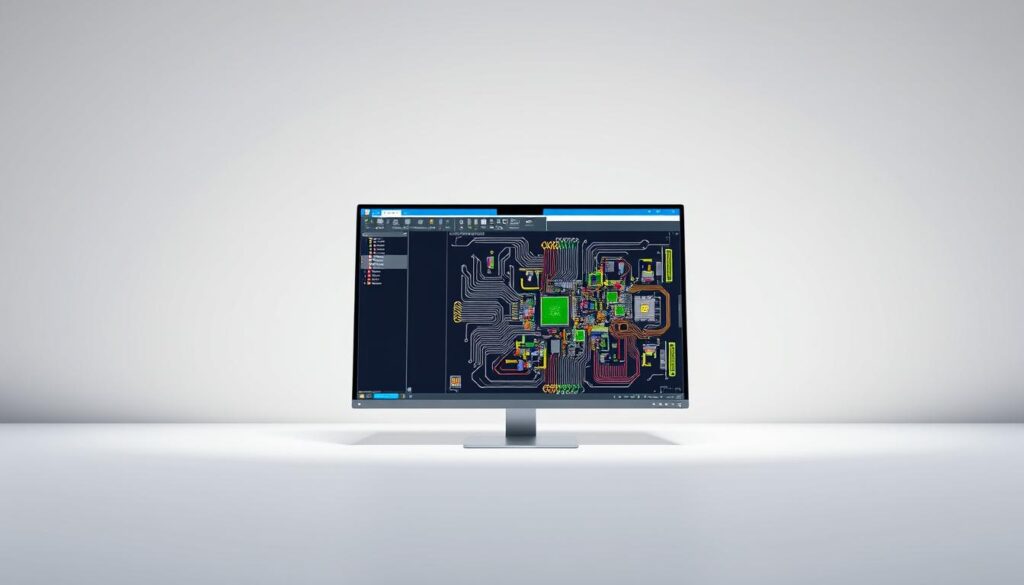
DipTrace comes with advanced tools for complex PCB designs. It supports multi-layer PCBs and has a huge component library. This makes creating detailed PCBs a breeze, whether you’re a pro or a hobbyist.
| Feature | Description | Benefit |
|---|---|---|
| Multi-layer PCB Support | Allows for the design of complex, multi-layer PCBs | Enhances design flexibility |
| Component Libraries | Comprehensive libraries of components for easy design | Saves time and reduces errors |
| Real-time Design Rule Check | Checks for design errors in real-time | Improves design accuracy |
Cost-Effectiveness
DipTrace is also very affordable. It’s a PCB layout tool that offers great value for its price. This makes it perfect for both hobbyists and professionals, without costing too much.
In short, DipTrace is a great choice for PCB design. It’s easy to use, packed with advanced tools, and won’t break the bank. It’s perfect for anyone, from beginners to experts, looking to create their designs.
Comparing DipTrace with Other PCB Design Software
DipTrace stands out in the world of electronic design automation (EDA) software. It faces competition from Eagle and KiCad. But what makes DipTrace unique? When looking at circuit design software, it’s important to see what each tool offers.
DipTrace vs. Eagle
Eagle is a well-known EDA software loved by many PCB designers. But DipTrace has a simpler interface and a smoother design process. This makes it easier for beginners to start.
Eagle has a lot of features, but DipTrace’s real-time DRC and schematic-to-PCB automation give it an edge.
DipTrace vs. KiCad
KiCad is a popular open-source circuit design software with many features. DipTrace, though, is easier to use, great for newcomers to PCB design. KiCad is very customizable, but DipTrace’s integrated design flow is more straightforward.
Unique Features of DipTrace
DipTrace shines with its comprehensive library of components and advanced routing capabilities. It also integrates well with different manufacturing outputs. These features, along with its user-centric design, make it appealing to both hobbyists and professionals.
The software can handle complex designs easily. It also works well with various EDA software formats, making it even more attractive.
Tutorial: Getting Started with DipTrace
DipTrace makes printed circuit board design easy for everyone. It’s great for both newbies and seasoned designers. Its user-friendly design and vast resources help you design smoothly.
Downloading and Installing DipTrace
To use DipTrace, first download and install it. Go to the DipTrace website and find the download section. Pick the right version for your computer. Then, just follow the steps to install it.
System Requirements: Make sure your computer can run DipTrace well. It needs a recent operating system, enough RAM, and a good graphics card.
Basic Design Processes
Once DipTrace is installed, you can start designing. Create a new project and choose a template that fits your needs. DipTrace’s easy-to-use wizard helps you set up your project.
The design process includes a few main steps:
- Creating a schematic diagram
- Defining component footprints
- Routing your PCB
- Verifying your design with DipTrace’s built-in tools
Tips for New Users
As a new user, get to know DipTrace’s interface and features. Check out the tutorials and documentation. Practice makes perfect, so try out different design elements and settings.
Here are some tips to improve your PCB design:
- Use layers to keep your design organized
- Use DipTrace’s automation for repetitive tasks
- Save your work often and use version control
By following these tips and practicing with DipTrace, you’ll get good at printed circuit board design. You’ll be able to make complex PCBs easily.
FAQs About DipTrace
DipTrace is a well-known PCB design program. It has many features for making complex circuit boards. Users often have questions about how to use it.
Commonly Asked Questions
People often ask if DipTrace works on different operating systems. They also wonder if it can handle big designs. The answers are in the DipTrace documentation and online forums.
Support and Community Resources
DipTrace has lots of support resources. There’s documentation, tutorials, and a community forum. Users can ask questions and share their experiences. The customer support team is ready to help with any problems.
Licensing and Pricing Options
DipTrace has different licenses and prices for everyone. You can get it for free or pay for more features and support. Choose the plan that meets your needs and budget.
FAQ
What is DipTrace, and what is it used for?
DipTrace is a powerful PCB design software. It has tools for creating circuit designs and layouts. It’s great for both simple projects and complex designs.
Is DipTrace suitable for beginners?
Yes, DipTrace is easy to use, even for beginners. Its simple interface and tutorials help new users start designing PCBs quickly.
Can DipTrace be used for complex PCB designs?
Absolutely, DipTrace can handle complex designs. It has tools for multi-layer boards and supports many components.
How does DipTrace compare to other PCB design software like Eagle or KiCad?
DipTrace stands out for its ease, advanced features, and value. While Eagle and KiCad are popular, DipTrace’s features make it a top choice.
What kind of support does DipTrace offer?
DipTrace has lots of support options. You can find help in documentation, forums, and customer support. It’s great for troubleshooting or learning new things.
What are the licensing and pricing options for DipTrace?
DipTrace has various licensing and pricing options. You can choose from free versions to paid plans, depending on your needs and budget.
Can I use DipTrace for commercial projects?
Yes, DipTrace is perfect for commercial projects. It’s designed for both professionals and hobbyists. Its licensing options support commercial use, making it versatile.